October 5, 2026
What Makes a Strong SEO Strategy for Service-Based Businesses?
 Author: hanna@atilus.com
Most search engine optimization guidance is written for online retailers or national brands that operate with large budgets and no geographic limits. Service businesses work under different conditions, since they sell inside a defined territory and compete against a small group of nearby companies. Their revenue also depends on a phone call or a completed form, which changes what the website has to accomplish. Many owners have already paid for SEO once and seen very little return, usually because the work was borrowed from that retail model and never adapted to how a local service company actually gets hired. An effective SEO strategy for service-based businesses has to account for those conditions before any individual tactic becomes useful.
Why SEO Is Different for Service Businesses
Search relevance carries far more weight than search volume when your customers live within a thirty-mile radius. A keyword searched a few hundred times a month inside your county can produce more revenue than a national term searched tens of thousands of times, because the local searcher is close enough to actually hire you. Service business SEO also has to account for trust, since the search results page itself becomes part of the buying decision. Customers evaluate star ratings and review counts before they ever reach your website.
Understanding How Your Customers Actually Search
Customers seldom search using the language a business uses internally. They tend to describe a problem or an urgent situation, and they frequently attach a location or a timeframe to it. Understanding how to rank on Google as a service company therefore begins with building a keyword list around actual customer phrasing rather than the service names pulled from your own website menu. That research then shapes page structure, topic selection, and the priorities for everything that follows.
Local SEO Deserves the Largest Share of Attention
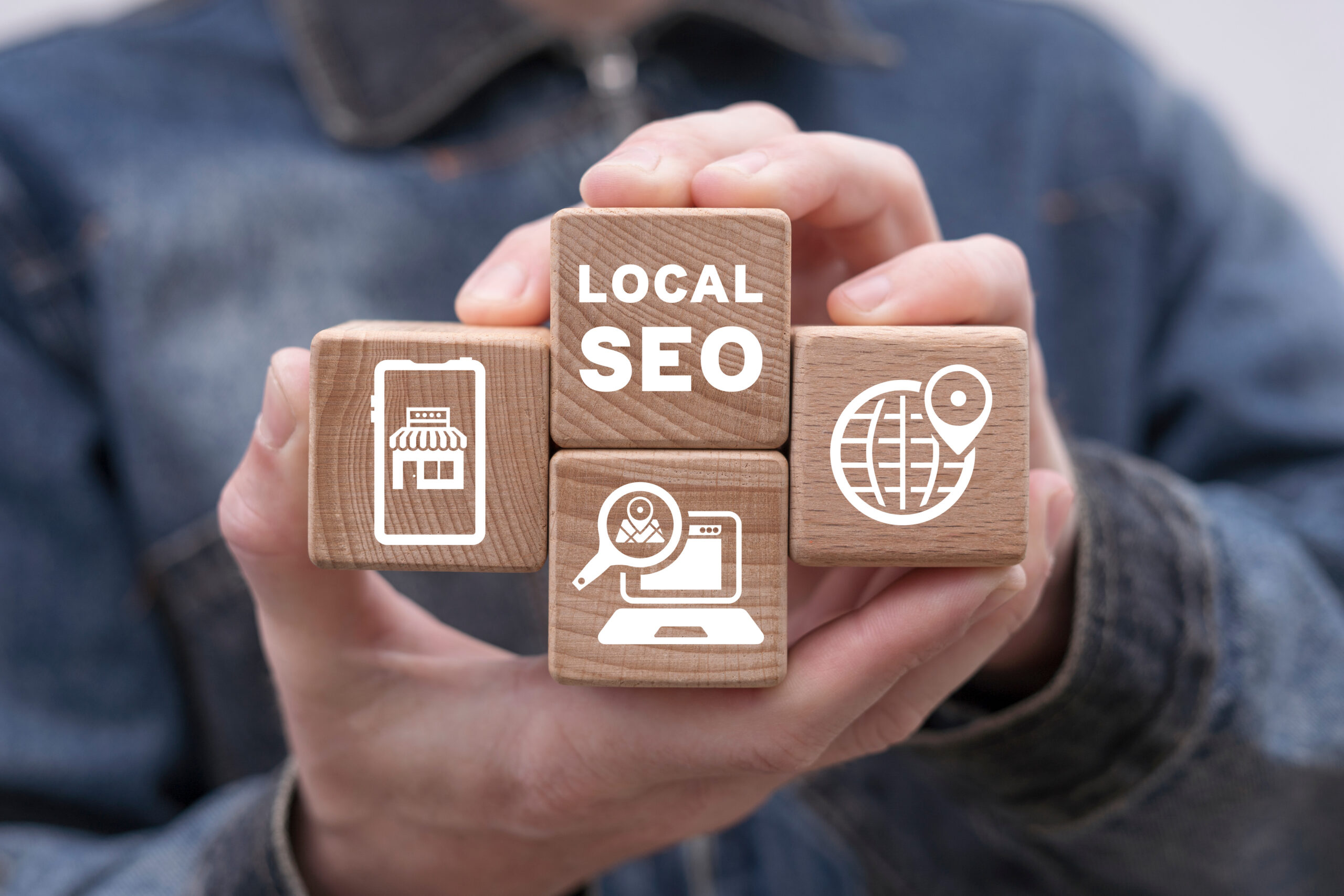
For companies that serve a territory, local search deserves the largest share of attention. The work begins with a fully completed Google Business Profile carrying accurate categories and service areas, along with consistent business information across every directory that references you. Geographic targeting matters just as much, which means deciding honestly which cities and counties you serve well enough to compete in, then building a dedicated page for each one with content specific to that market. Local SEO for service businesses breaks down most often when companies publish a dozen thin city pages for areas they have never worked in. Because local results appear above traditional organic listings for most service queries, presence there reaches customers earlier in their decision.
On-Page SEO for Search Engines and Human Visitors
Every service you offer deserves a dedicated page with a descriptive title and copy that answers the questions customers raise before they call. Pages that list several services in a sentence or two give search engines very little to evaluate, and they give visitors almost no reason to make contact. A site built on responsive website design also removes the friction that causes mobile visitors to abandon a page before converting.
Content as the Long-Term Engine of Organic Growth
Content earns rankings for the many specific questions customers ask while they research a purchase. Cost explanations, comparisons between service options, maintenance guidance, and answers to the objections that surface on sales calls all qualify. Each piece brings modest traffic on its own, although together they compound into a meaningful share of qualified visitors who arrive already familiar with your company.
The Technical Foundation Underneath Everything
Search engines have to crawl and index your pages before any of the work described above can produce results. Page speed, mobile rendering, site architecture, secure hosting, and structured data all influence how efficiently that happens. Most service business websites carry technical problems the owner never sees, which is why reliable hosting and maintenance belong inside the SEO strategy itself.
Reviews and Reputation Signals
Review volume and recency influence local rankings, while the rating itself heavily influences the decision a customer makes once they see your listing. A company with a large and current body of positive reviews can take business from a higher-ranked competitor carrying a weaker average. Ongoing reputation management produces a steady flow of new reviews, and search engines weigh that steadiness differently than a cluster of old reviews collected years ago.
Link Building for Service Businesses
Local companies do not need the aggressive link acquisition campaigns that competitive national industries require. Links from chambers of commerce, trade associations, suppliers, local sponsorships, and regional publications carry genuine weight, since they confirm the business operates where it claims to operate. Quality and local relevance therefore matter far more than raw volume.
Measurement and Realistic Timelines
Organic calls and form submissions are the numbers that show whether the investment is returning anything, and neither gets captured without call tracking and properly configured conversion goals in place. Because that setup deserves more room than it fits here, our breakdown of how local search turns into calls, form fills, and revenue covers the tracking side in full.
Timeline expectations belong in this conversation as well, because organic search for service companies does not move quickly. Early ranking movement generally appears within the first three to four months, while meaningful and sustained lead volume tends to arrive somewhere between six and twelve months depending on how competitive your market is. Any agency promising faster than that is either working in an uncontested market or counting metrics that do not connect to revenue.
How Atilus Builds SEO Strategies for Service Businesses
Atilus has spent more than 20 years working as an SEO agency for small business owners across home services, marine, real estate, and professional services. Our ongoing SEO services combine competitive analysis, keyword tracking, content creation, citation building, and Google Business Profile optimization into a single program, with reporting that connects the work directly to lead volume. Every strategy gets built around the market a business actually serves.
A strong SEO strategy for service-based businesses depends on local visibility, a website built to convert, content matched to how customers search, and measurement that ties all of it back to revenue. Results accumulate gradually and then hold, which is what separates organic search from channels that stop producing the moment you stop paying. If you want a strategy built around your service area, explore the digital marketing services available through Atilus.
Similar Posts